The Allure of Chance and Uncertainty
One of the core psychological elements that draw individuals to casino games is the thrill of chance and uncertainty. The unpredictable outcomes of games like roulette, slots, and poker create a captivating experience, allowing players to escape the mundane aspects of everyday life. This adrenaline rush comes from the anticipation of winning, which can trigger a surge of dopamine—a neurotransmitter associated with pleasure and reward. For those seeking excitement, exploring options at a reputable nz online casino can amplify the appeal of taking risks.
The element of uncertainty inherent in casino games taps into the human psyche’s love for adventure and risk-taking. For many, the allure lies not only in the potential financial gain but also in the excitement generated by the unknown. Players can become engrossed in this experience, leading to a temporary suspension of reality. This psychological state, known as “flow,” encapsulates the immersive experience where individuals are completely absorbed in the game, enhancing their enjoyment and engagement. In this heightened state, time seems to fade away, and the outside world becomes irrelevant.
Furthermore, the thrill of gambling is often amplified by the social environment of casinos. When individuals play in the presence of others, the collective energy can heighten the excitement and anticipation of the game. The camaraderie or competition among players produces a dynamic atmosphere where the stakes feel even higher, intensifying the psychological impact of gambling. This interaction not only fosters a sense of belonging but also enhances the overall allure of casino games, contributing to their widespread popularity and making them a staple in entertainment culture.
The Role of Reward Systems
Psychologically, reward systems play a crucial role in the behavior of casino players. The principle of intermittent reinforcement explains why players often return despite experiencing losses. When players win, it reinforces their behavior, creating a positive feedback loop that encourages them to continue playing. The unpredictability of rewards, where wins occur sporadically and randomly, keeps players engaged for extended periods as they eagerly await that next big win. This delicate interplay between hope and despair fuels a compelling drive to gamble, even when faced with setbacks.
Additionally, the design of casino games is intricately crafted to optimize player engagement through a combination of visual and auditory stimulation. The bright lights, appealing graphics, and celebratory sounds associated with wins are all strategically implemented to create an inviting atmosphere. This sensory overload can heighten emotions and lead to what is often termed the “gambling high,” a euphoric feeling that can make players feel invincible to the risks involved in their actions. As a result, many players remain blissfully unaware of their escalating losses as they become lost in this immersive sensory experience.
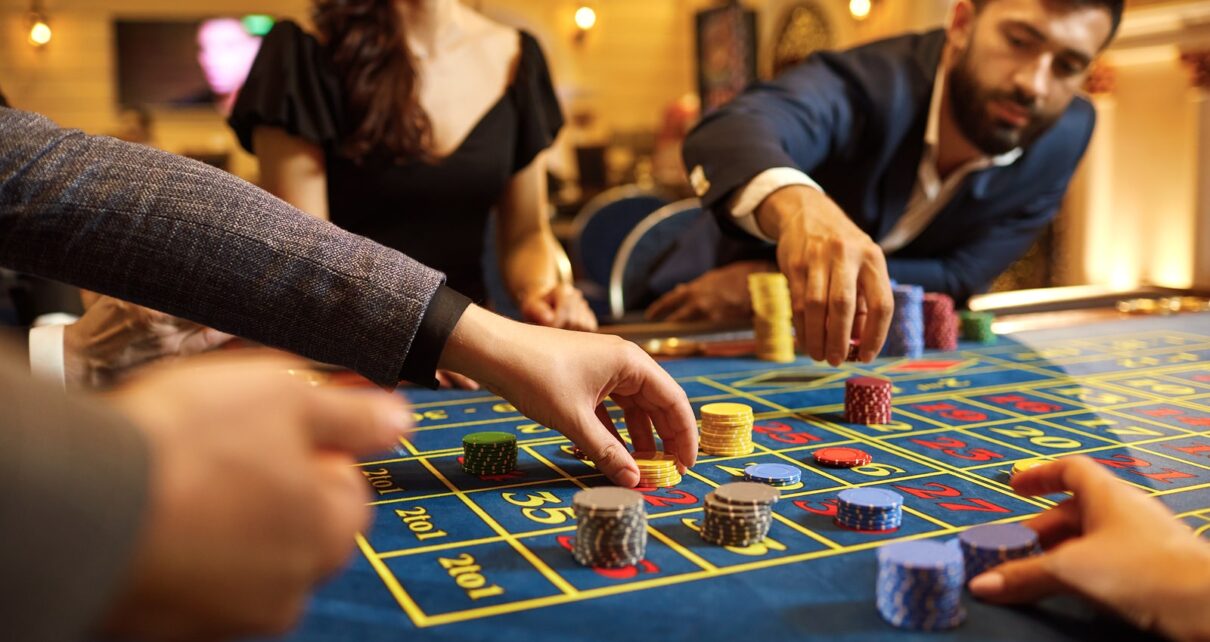
Moreover, the psychology of reward can lead to problematic gambling behaviors in some individuals. The powerful lure of potentially winning substantial sums of money can result in compulsive gambling, where the thrill of the game outweighs rational decision-making. The impulsive nature of betting can spiral into a cycle of chasing losses, even when the odds are stacked against the player. Understanding these psychological triggers is essential in addressing gambling addiction and promoting responsible gaming practices, ensuring that players remain aware of their limits and the potential consequences of their actions.
The Impact of Cognitive Biases
Cognitive biases have a significant influence on how players perceive and engage with casino games. One prevalent bias is the “gambler’s fallacy,” where individuals mistakenly believe that past events can predict future outcomes. For instance, a player might think that after a series of losses in roulette, a win is “due” to happen, leading them to increase their bets. This misunderstanding of probability can lead to reckless gambling behavior and considerable financial losses. Recognizing and addressing these biases is vital for mitigating the dangers associated with gambling.
Another cognitive distortion affecting casino players is the “illusion of control,” where individuals believe they can influence the outcomes of random events. Many gambling games, such as slots or bingo, are based entirely on chance. However, players often develop an unwarranted confidence in their ability to control or predict outcomes, leading to continued play and higher risks. This illusion can be particularly pronounced in games that require some level of skill or strategy, like poker, where players might overestimate their capabilities based on past successes, further complicating their decision-making process.
Furthermore, loss aversion plays a substantial role in the decision-making processes of gamblers. Players tend to experience a more intense emotional response to losses than to gains, leading them to make irrational decisions to recover lost money. This can perpetuate a destructive cycle where players chase after their losses, undermining their financial well-being further. Cognitive biases such as these highlight the complexities of gambling behavior and the need for awareness and education in promoting safer gaming environments, ultimately fostering more responsible gambling practices.
The Effects of Environment and Design
The environment of a casino plays a crucial role in shaping the psychological experience of players. Casino designers understand that elements such as layout, lighting, and sound all contribute to the immersive atmosphere that encourages extended play. For example, many casinos are intentionally designed without windows or clocks, creating a disorienting effect that makes it difficult for players to keep track of time. This design choice encourages players to stay longer, often leading to increased spending without the realization of how much time has passed, further entrenching them in the gambling experience.

Moreover, the spatial arrangement of gaming tables and machines is meticulously planned to maximize social interaction and excitement. Casinos often arrange games in close proximity, which can heighten the sense of competition and community among players. This social dynamic enhances the gambling experience, as players share in each other’s victories or losses, creating emotional bonds that keep them returning for more. The social aspect of gaming further compounds the psychological factors that drive individuals to participate in casino activities, reinforcing the idea that gambling is not just an isolated activity but a communal event.
Additionally, the use of rewards programs and loyalty schemes significantly influences player behavior in casinos. These programs are designed to foster a sense of belonging and attachment to the casino, further entrenching players in their web. Gamblers often feel incentivized to return to the same establishment to accumulate points or rewards, which reinforces their loyalty and habitual play. By understanding the power of environmental factors in casino design, it becomes evident how integral these elements are in shaping the psychological landscape of gamblers, ultimately driving their engagement and participation in gaming activities.
Understanding Casino Gaming Psychology on Our Platform
On our platform, we explore the intricate psychological aspects of casino gaming, aiming to provide a comprehensive understanding for both players and enthusiasts. We believe that fostering awareness of the psychological dynamics at play can enhance the enjoyment of gaming while also encouraging responsible practices. Our articles offer insights into various cognitive biases, environmental factors, and psychological triggers associated with casino games, equipping readers with the knowledge to navigate their gaming experiences more thoughtfully.
By delving into the psychology behind casino games, we aim to empower players with critical insights, helping them recognize the signs of problematic gambling behaviors and the importance of establishing limits. Our resources encourage visitors to engage with valuable information that can lead to informed decisions regarding their gaming experiences. Our mission is to cultivate a more knowledgeable community that appreciates the entertaining aspects of casino games while prioritizing safety and moderation in their gambling practices.
Ultimately, understanding the psychology of casino gaming is essential for creating a balanced approach to gambling that enhances enjoyment while minimizing risks. We are committed to providing educational content that highlights the complexities of gambling behavior, enabling players to make choices that align with their values and personal circumstances. Join us as we continue to unravel the fascinating world of casino gaming psychology and promote a healthier gaming landscape for all.